
Machine Learning is Fun!
Second Edition just released!

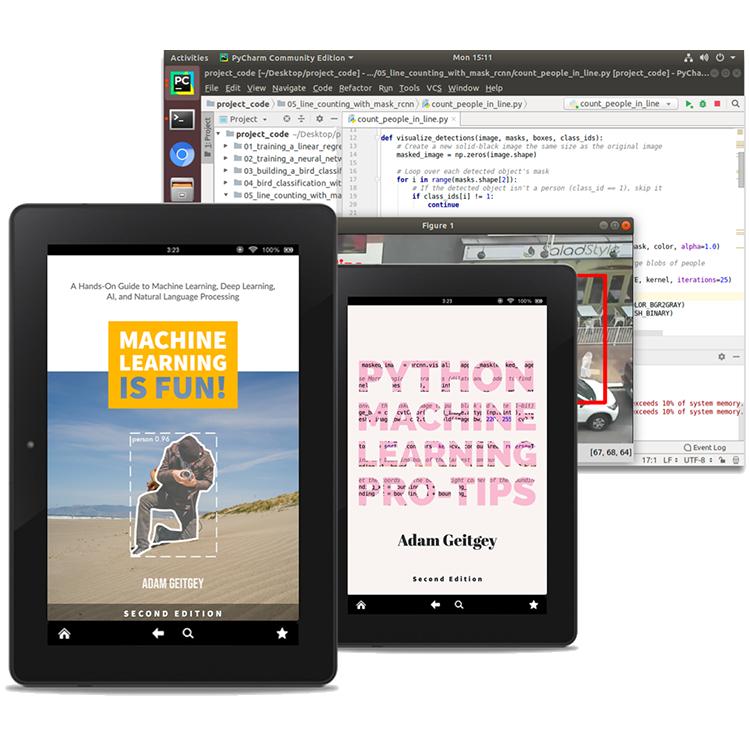
Machine Learning Is Fun! The Book

I’ve written the book that I wished existed when I was getting started with machine learning and AI. Stop wasting time and get started learning!

Machine Learning is Fun! Second Edition — Developer Bundle

Are you curious about Machine Learning but have no idea where to start?

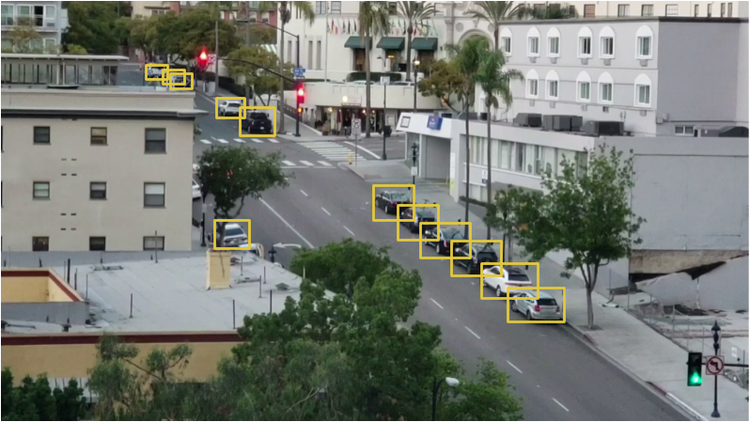
Example of image segmentation with deep learning
You can totally learn cutting-edge techniques like image segmentation with Deep Learning. It's not magic!

Let's get started!

Thanks to machine learning, there's never been a more exciting time in the history of computer science. Every day, new breakthroughs are changing what's possible with computers.

You might be intimidated by machine learning or think it's something that only the top companies and research institutions can use, but that's not true. Machine Learning is for everyone—and it's fun!

Tutorials

Machine Learning Tutorials

De-mystify the latest breakthroughs in Machine Learning with these fun tutorials.

01

Machine Learning is Fun!

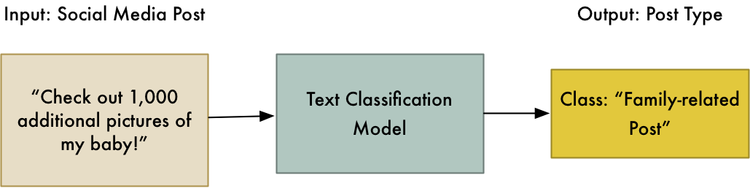
Have you heard people talking about machine learning but only have a fuzzy idea of what that means? Are you tired of nodding your way through conversations with co-workers? Let’s change that!

This guide is for anyone who is curious about machine learning but has no idea where to start.

Read on Medium
04

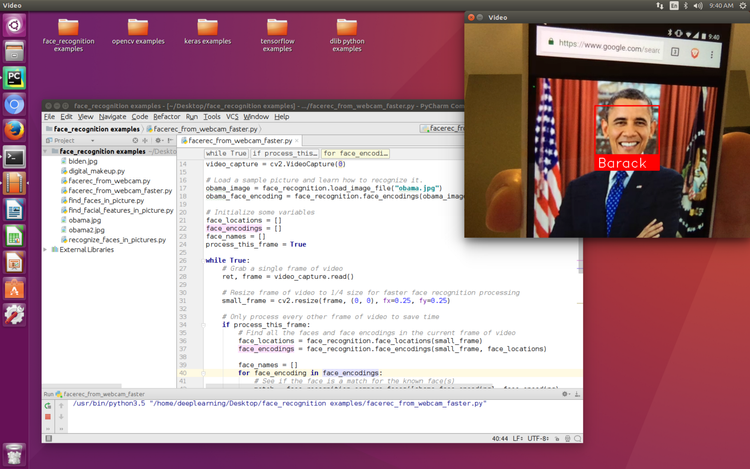
Modern Face Recognition with Deep Learning

Let’s learn how modern face recognition works! But just recognizing your friends would be too easy. We can push this tech to the limit to solve a more challenging problem — telling Will Ferrell (famous actor) apart from Chad Smith (famous rock musician)!
Read on Medium
06

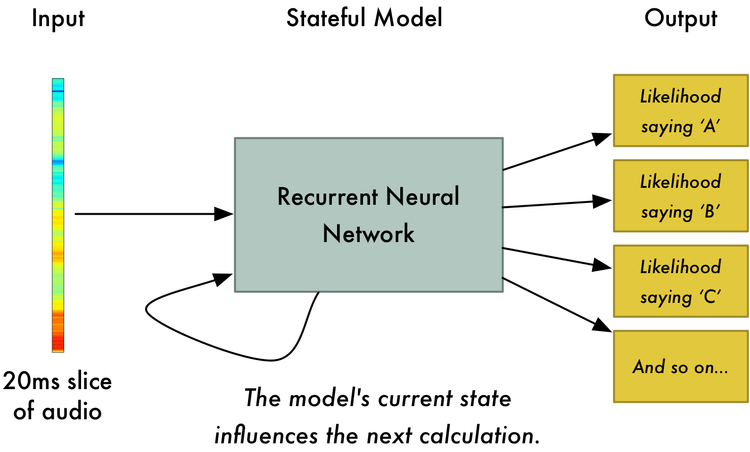
How to do Speech Recognition with Deep Learning

But speech recognition has been around for decades, so why is it just now hitting the mainstream? The reason is that deep learning finally made speech recognition accurate enough to be useful outside of carefully controlled environments. Let’s learn how to do speech recognition with deep learning!
Read on Medium
07

Abusing Generative Adversarial Networks to Make 8-bit Pixel Art

Deep Convolutional Generative Adversarial Networks (or DCGANs for short) are one of the most exciting new areas of machine learning research. DCGANs are able to hallucinate original photo-realistic pictures by using a clever combination of two deep neural networks that compete with each other. Let’s use generative models to do something a bit more silly — make artwork for 8-bit video games!
Read on Medium
08

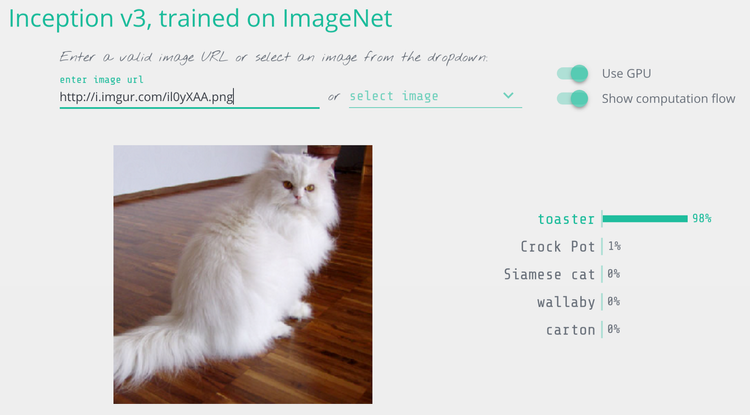
How to Intentionally Trick Neural Networks

Almost as long as programmers have been writing computer programs, computer hackers have been figuring out ways to exploit those programs. Malicious hackers take advantage of the tiniest bugs in programs to break into systems, steal data and generally wreak havoc.
Read on Medium
Tutorials

Natural Language Processing Tutorials

Learn how to write your own programs that understand written language.

04
November 14, 2019

Faking the News with Natural Language Processing and GPT-2

How easy it is for an average person to generate fake news that could trick a real person and how good are the results?

Let’s explore how a system like this could work and how much of a threat it is. Let’s try to build a newspaper populated with fake, computer generated news!

Read on Medium
Tips

Python Tips and Tricks

Python is one of the most popular programming language for Machine Learning. So the more you know about Python, the better!

How to Use Static Type Checking in Python 3.6

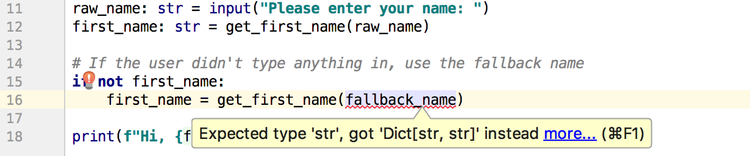
One common complaint about the Python language is that variables are Dynamically Typed. That means you declare variables without giving them a specific data type. But with Python 3.6, you now have the choice of using Static Type Checking which can automatically catch many common errors while coding!
Read on Medium

Speed up your Python data processing scripts with Process Pools

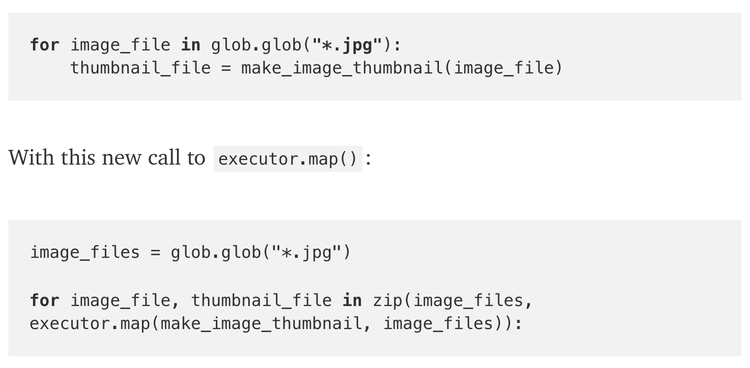
If you have a computer made in the last decade, there’s a good chance it has 4 (or more) CPU cores. That means that 75% or more of your computer’s power is sitting there nearly idle while you are waiting for your program to finish running! Let’s learn how to take advantage of the full processing power of your computer by running Python functions in parallel.
Read on Medium